Documentation
Drawing or 3D model, material, quantity, delivery condition and component requirements.

A foundry pattern creates the external casting shape in the mould, while cores may form the required internal passages and cavities. The parting arrangement, draft and allowances must be established for the specific component.
If you have an existing pattern, tooling documentation or a sample component, mention this in the enquiry. The condition and suitability of existing pattern equipment must be assessed before use.
Explore foundry pattern servicesThe process can accommodate varied geometries and order scales. Quantity alone does not determine its suitability — the alloy, shape, core arrangement, dimensional requirements and planned machining also matter.
We do not publish one tolerance table for every casting. Requirements, datum surfaces and allowances should follow the agreed drawing and selected production route.
Send a 2D drawing or 3D model, full material designation, quantity, expected repeat demand and required delivery condition.
Identify cavities and passages, surfaces to be machined, acceptance requirements and whether a pattern or sample component exists. State clearly when any input is unavailable.
The scope may cover an as-cast component or machining of specified surfaces. This allows allowances, datum features and the delivery condition to be reviewed together.
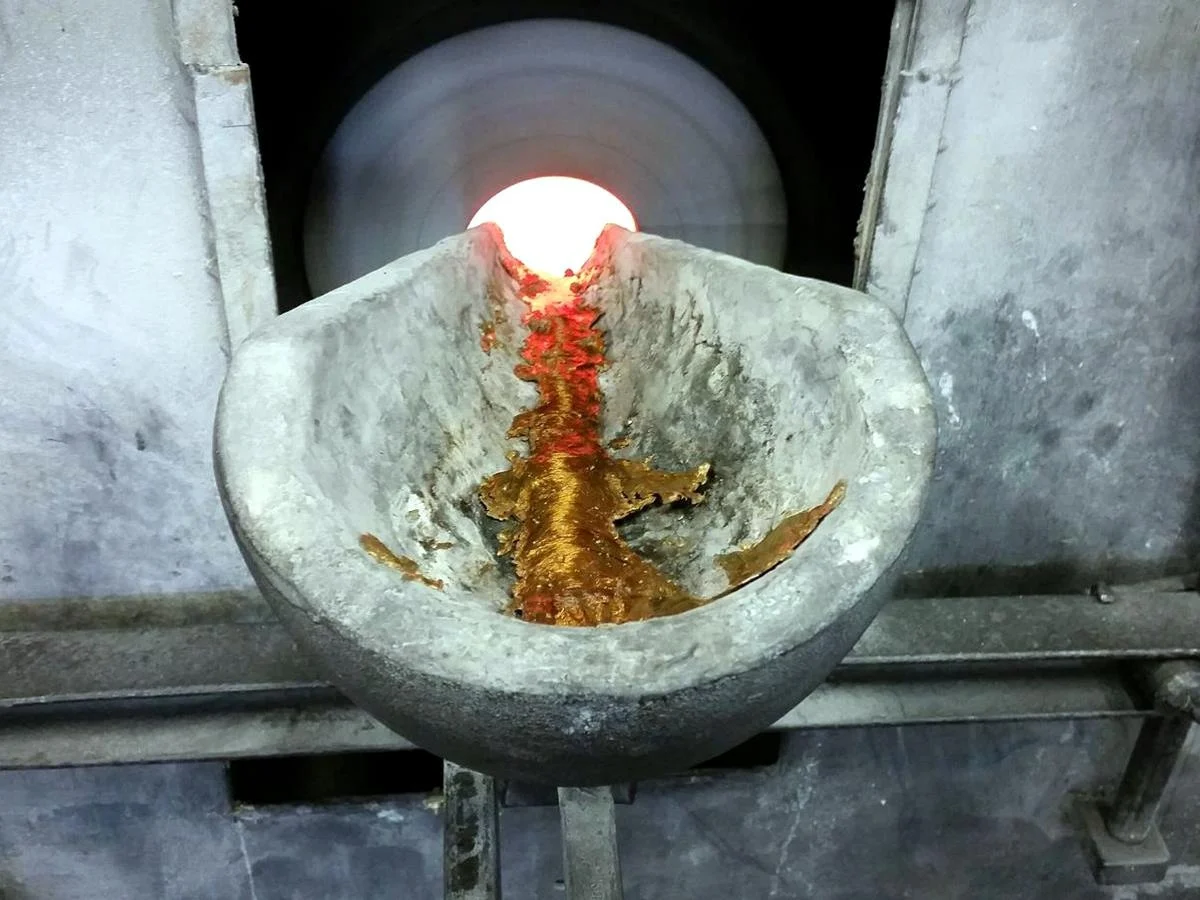
Feasibility is confirmed after the documentation has been assessed. A photograph alone cannot define the alloy, production process or tolerances.
Explore casting machiningENQUIRY PATH
Each stage follows the component and tooling requirements.
Drawing or 3D model, material, quantity, delivery condition and component requirements.
Assessment of the pattern, mould split, cores, allowances and subsequent machining.
Casting and specified operations carried out to the order documentation.
FAQ
Answers about process, tooling and input data.
No. The pattern creates the shape in the moulding material, while the mould is the prepared cavity into which molten metal is poured.
A core creates selected internal spaces in a casting. The need for cores and their design are assessed from the component geometry.
This page covers castings and related tooling. It does not state that standalone moulds are a separate service; discuss the required scope with the company.
Quantity is only one criterion. Geometry, alloy, tooling, requirements and expected repeat demand must also be reviewed.
EXPLORE
We make prototype and production foundry patterns and work on existing pattern equipment. The scope is prepared from the documentation and the casting process for the specific component.
Aluminium Alloy Castings | METAL-KOLORAluminium alloy castings, including aluminium-silicon alloys. Send the grade, drawings, quantity and machining requirements to METAL-KOLOR.
Copper and Copper Alloy Castings | METAL-KOLORBronze, brass and copper castings. Send the grade, drawings, quantity and machining requirements to METAL-KOLOR in Poland.
Contact METAL-KOLOR | Starachowice, PolandContact METAL-KOLOR in Starachowice, Poland. Call +48 41 273 00 00 to discuss castings, machining or white metal bearing refurbishment.
We use essential cookies to make this website work. You can choose whether to allow optional cookies in Privacy settings.
Basic mode: the Google tag and recognised or explicitly marked optional resources remain blocked until the relevant consent is granted.
Optional analytics, marketing and external content remain disabled until you enable them.
These cookies are required for the website to function properly and cannot be disabled.
Google Analytics helps us understand how visitors use the website. It starts only after you consent.
The Google tag starts only after analytics consent.
No marketing tools are currently configured. This category will require consent if they are added.
External content such as maps or videos can load only after you consent.