Input data
Drawing, 3D model or sample component, casting alloy and intended process.

The scope may include a new prototype or production pattern, mounting on a pattern plate, repair of worn pattern equipment or adaptation to an agreed process change.
Pattern material and construction are selected for the geometry, moulding method, expected service and production documentation. The solution is agreed for the specific component and planned moulding process.
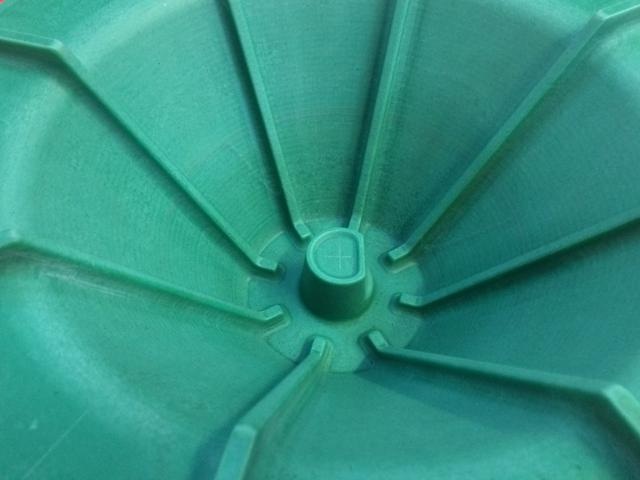
A foundry pattern creates the required shape in the mould. The mould receives molten metal, while a core forms selected internal spaces in the casting. Pattern equipment may include the pattern, plates, core boxes and process-specific supporting elements.
Separating these terms helps establish what already exists, what needs repair and what must be made.
Send a drawing, 3D model, previous tooling documentation or an available sample component. State the casting alloy, moulding method, quantity and the scope of any intended changes.
If the documentation is incomplete, identify the missing information. The possible engineering scope must be agreed before work begins.
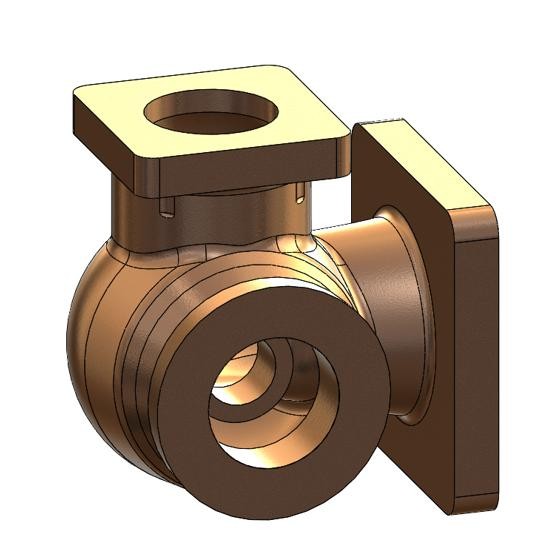
Pattern preparation is part of launching the casting process, so it is reviewed together with moulding and casting requirements. The scope may include checking the tooling and producing an agreed trial casting.
Acceptance criteria for the pattern and casting should follow the order documentation.
Explore sand castingENQUIRY PATH
Each stage follows the component and tooling requirements.
Drawing, 3D model or sample component, casting alloy and intended process.
Scope of new work, repair, adaptation, plates and supporting equipment.
Pattern or pattern equipment prepared for the agreed process and acceptance.
FAQ
Answers about process, tooling and input data.
A pattern is production tooling used to make a mould. A sample component can support geometry review, but it is not automatically a production-ready pattern.
The scope includes repair and adaptation, but feasibility depends on condition, material, documentation and the intended process.
We prepare patterns for hand and machine moulding. The exact tooling scope is agreed for the selected process and specific component.
It is a useful starting point, but pattern equipment also requires process decisions on moulding, parting, allowances and acceptance.
EXPLORE
We produce gravity castings in sand moulds. The process, material and subsequent machining scope are agreed from the component geometry, documentation and order requirements.
Gravity die castingWe produce gravity die castings, including aluminium alloy castings. The use of permanent metal tooling is confirmed after reviewing the alloy, geometry, quantity and component requirements.
Manufacturing Capabilities | METAL-KOLOR FoundryExplore METAL-KOLOR’s casting, pattern making, machining and bearing refurbishment services. Discuss your component and manufacturing requirements.
Contact METAL-KOLOR | Starachowice, PolandContact METAL-KOLOR in Starachowice, Poland. Call +48 41 273 00 00 to discuss castings, machining or white metal bearing refurbishment.
We use essential cookies to make this website work. Optional analytics starts only after you consent.
Essential cookies work immediately. Analytics and other optional features remain disabled until you consent.
Essential cookies are always active. You decide whether to enable the other categories.
These cookies are required for the website to function properly and cannot be disabled.
Google Analytics helps us understand how visitors use the website. It starts only after you consent.
Analytics starts only after you consent.
No marketing tools are currently configured. This category will require consent if they are added.
External content such as maps or videos can load only after you consent.